
1-805-484-2992
Quotes - Engineering - SalesCooling Heat Exchangers for Extended Shelf Life (ESL) Processing
Rapid cooling immediately after ESL heating is essential to stop thermal effects, lock in freshness, and maximize refrigerated shelf life. Tube-in-tube heat exchangers deliver efficient, uniform, and gentle cooling for dairy, beverages, and sensitive liquid foods while maintaining the highest sanitary standards.
Shell & Tube
ESL Applications
- Rapid Post-Heat Cooling
- Gentle Product Handling
- High Fouling Resistance

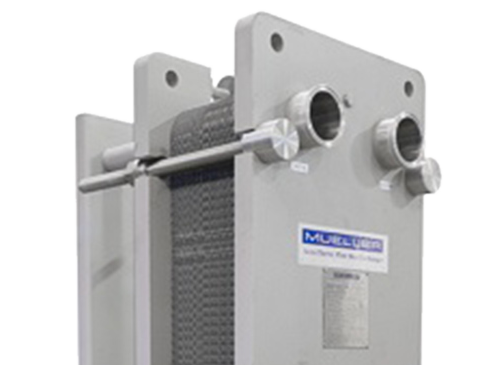
Plate and Frame:
High Capacity
- Higher Flow Rates
- Viscous & Particulate Products
- Energy Efficient Recovery
Heat Exchangers for Cooling in ESL Processing
Rapid cooling is one of the most important steps in Extended Shelf Life (ESL) processing. After precise heating, tube-in-tube heat exchangers quickly bring the product temperature down to refrigeration levels. This fast, controlled cooling stops further thermal effects, preserves fresh taste and nutrition, and significantly extends refrigerated shelf life.
Why Rapid Cooling Matters in ESL
Quick temperature reduction prevents over-processing, preserves sensory qualities, and inhibits residual microbial activity. Tube-in-tube designs provide uniform cooling with minimal shear, making them ideal for sensitive ESL products such as milk, flavored dairy drinks, plant-based beverages, and juices.
Advantages of Tube-in-Tube Cooling Exchangers
These exchangers offer excellent heat recovery by using cold incoming product to help cool the hot stream, greatly improving energy efficiency. Their fully drainable, hygienic construction and large flow channels handle viscous and particulate-laden ESL products without fouling or clogging.
Applications
Perfect for high-volume ESL dairy lines, premium beverages, creams, and other liquid foods where maintaining freshness and extending shelf life are critical.
Common FAQs
Rapid cooling immediately after heating stops further thermal damage, locks in flavor and nutrients, and prevents the growth of spoilage organisms, allowing for significantly longer refrigerated shelf life.
Tube-in-tube and multi-tube heat exchangers are preferred for ESL cooling because they provide gentle handling, excellent heat transfer, and superior cleanability for viscous and sensitive products.
Regenerative cooling uses the cold incoming raw product to help cool the hot pasteurized product, recovering energy and improving overall system efficiency while reducing operating costs.
Yes. The large annular flow channels in tube-in-tube designs are excellent for ESL products containing pulp, fibers, or particulates without clogging or excessive shear.