
1-805-484-2992
Quotes - Engineering - SalesEverything Needed to Price It Once
A replacement quote goes out the same day when the request carries the duty, the envelope and the hygiene class together. It waits when one of the three is missing, because the missing one changes the other two: a duty without a hygiene class cannot be built, an envelope without a duty cannot be rated, and a hygiene class without connections cannot be drawn. The list below is the whole of what is needed, and the quote form on this site is laid out in the same order.
Not every line will apply to every unit, and not every line will be known. Send what you have, mark the rest as unknown rather than guessing, and we will fill the gaps from the nameplate and the measurements or ask one question rather than five.
The process data
- Product: what it is, at what concentration or fat content, and whether it changes between runs
- Product flow: maximum, minimum and normal, in lb/h or gpm
- Product temperature in and required temperature out, with the tolerance
- Product viscosity at inlet and outlet temperature, and any particulates with their largest size
- Utility: steam, hot water, chilled water or glycol, its supply temperature, and the flow or pressure available
- Whether regeneration is required, and at what efficiency if known
Chilled water that caps the dutyA plant that can spare only 60 gpm of chilled water cannot cool 10,000 lb/h of milk to 38°F with any exchanger, which is why utility data changes the answer most.
The Ratings, the Class and the Envelope
Design pressure and design temperature on each side come off the old nameplate or off the plant's pressure system; give both, because the replacement is stamped to them. Hygiene class is the one the plant is audited to: food-grade drainable, 3-A with the symbol, or ASME BPE with the documentation package. Product-contact finish as a Ra number, and whether it is mechanically polished or electropolished. Whether a double tubesheet or double-wall plates are required or wanted. Connections by type and size on each side, and the CIP chemistry and temperature and whether the unit will be steamed in place.
Then the envelope from the previous page, or a photo of the nameplate and the unit with a tape across the connections, or the original drawing if the plant has one. Any one of those three gets the match started.
- Design pressure and temperature, product side and utility side
- Code stamps required: ASME U, National Board, CRN, PED
- Hygiene class: food-grade drainable, 3-A, or ASME BPE
- Product-contact finish, Ra, and electropolish yes or no
- Double tubesheet or double-wall plates: required, wanted, or not needed
- Connection type and size, product side and utility side
Mark a line unknown rather than guess it; one question beats five.
- Product flow as maximum, minimum and normal, lb/h or gpm
- Utility supply temperature and the flow or pressure available
- Finish as Ra, 32 mechanical on food, 20 electropolished on pharma
How the Data Turns Into a Unit
The product name and its state do more work than they look like they do. Whole milk and skim have the same specific heat within a few percent but foul differently; single-strength juice and concentrate share a name and differ tenfold in viscosity; a sauce with pieces and the same sauce strained go to different constructions. Say what it is as it runs through the unit, and if the line changes over between products, say what the thickest, the most fouling and the highest-flow product each is, because they are rarely the same one.
Flow and temperatures set the duty, and the maximum flow with the required outlet temperature is what the unit is sized to. The minimum flow is what the control loop is checked at, and the tolerance on the outlet decides how much margin the utility control needs. If the process has a legal minimum, a pasteurization temperature or a hold, say so; the set point is placed above it and the size carries the margin.
Utility data is the item most often missing and the one that most often changes the answer. The supply temperature sets the LMTD and the wall temperature; the flow available or the steam pressure at the exchanger sets whether the duty can be met at all. A plant that has 175 F water where 190 F was assumed gets a unit a third larger; a plant that can only spare 60 gpm of chilled water cannot cool 10,000 lb/h of milk to 38 F with any exchanger. If the utility side is fixed, say what it is; if it is not yet built, say so and the utility is chosen with the unit.
Ratings and code stamps are copied onto the new nameplate, so they have to be right. Design pressure and temperature each side, and the stamps the plant or the destination requires: ASME U and National Board for most of the United States, CRN by province for Canada, PED for Europe. A unit that ships without a required stamp does not go into service, so this line is checked before fabrication rather than after.
Hygiene class, finish and the barrier decision come as a group. Food-grade drainable is polished contact, tri-clamp connections and a sloped drain; 3-A adds the standard's details and the symbol; ASME BPE adds the finish, the documentation and in practice the double tubesheet. A 32 Ra mechanical polish is normal on food and dairy, 20 Ra or better electropolished on pharma. Say what the plant is audited to and whether the old unit met it, and the replacement is built to that or above it.
Connections are the envelope's most important line, and CIP and SIP conditions are the ones that decide gaskets and seals. Give the connection type and size on each side and, if you have measured the envelope, the overall length and mounting. Give the CIP caustic and acid concentrations and temperatures and the run time, and say whether the unit will see live steam during SIP and at what pressure, because that sets the elastomer choice and the pressure rating on the utility side.
Finally, the picture. A nameplate photo, a photo of the whole unit with a tape across the connections, or the original drawing resolves anything the lines above left open, and it is usually the quickest thing on the list to provide. Send the data through the quote form, or email it to Sales@HeatX.com with the photos attached, and the sized replacement comes back with a price, a drawing for approval and a lead time. Call and talk it through with an engineer: 1-805-484-2992
Duty, envelope and hygiene class together, and the quote goes out the same day.
Request a QuoteCommon FAQs
A nameplate photo, the connection sizes, the current flow and temperatures, the utility and the hygiene class. That is enough to size and match a unit; the remaining lines refine the drawing and the price.
Send the drawing if you have it, and add a photo of the connections as they are today, since piping is often changed over the years. If there is no drawing, the measurement list on the Match by Dimensions page takes about an hour.
Name the product and its concentration and we will use published values. Only unusual products, proprietary blends or products near a construction boundary need a measured viscosity, and then a single number at the cold-end temperature is enough.
Tell us who inspects the plant and what they look for. Most food plants without a named standard are best served by a 3-A style build with polished contact, tri-clamp connections and full drainability, and that is what is quoted unless told otherwise.
Related
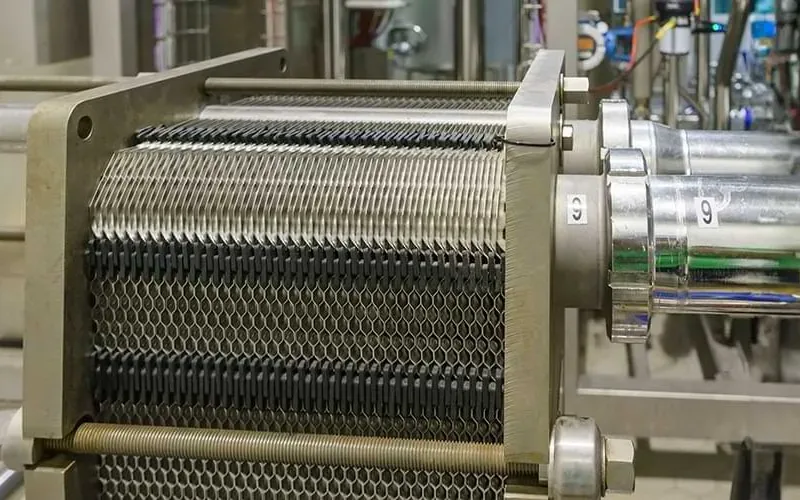
Sizing & Selection
Look Up by Manufacturer & Model
Read the nameplate, identify the construction, and get a matched sanitary replacement.
+ Learn More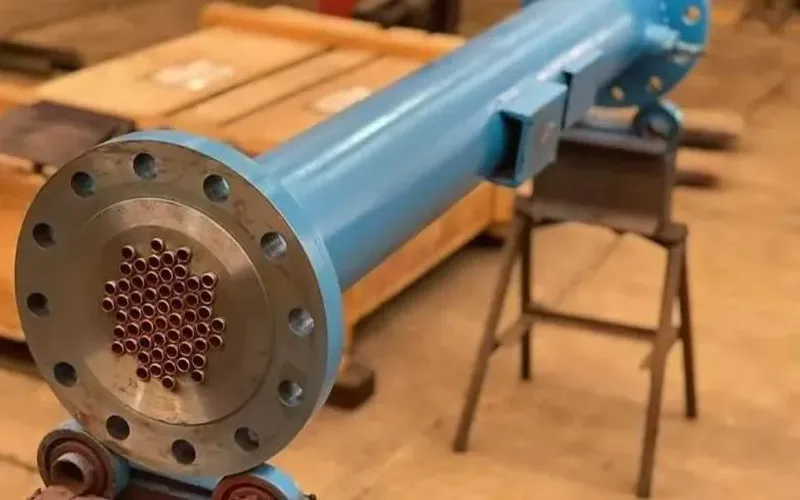
Sizing & Selection
Match by Dimensions & Connections
What to measure so the new unit lands on the same piping, the same feet and the same skid.
+ Learn More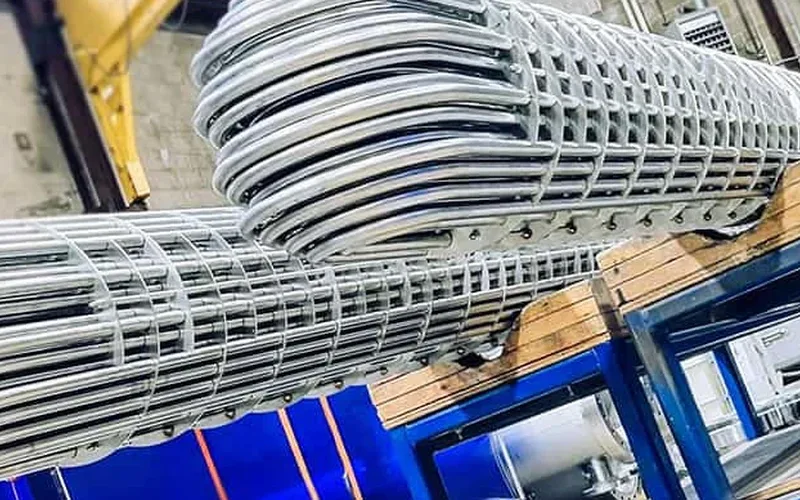
Sizing & Selection
Replace Your Exchanger
Look up the unit you have, match it by dimensions and connections, and send us the nameplate.
+ Learn More