
1-805-484-2992
Quotes - Engineering - SalesFilling the vat
The setting temperature is the recipe
Rennet sets casein fastest between 86 and 92 F, and every cheese has its own point in that range: cheddar at 88 F, mozzarella at 90 to 92 F. The milk has to arrive at that temperature, not near it, because a vat filled two degrees cool sets slowly and gives a weak curd, and two degrees warm gives a curd that is tough at cutting. The exchanger that fills the vat is a small duty with a tight target.
Ahead of it there may be a thermizer, a cheese milk pasteurizer, or nothing for raw milk cheese.
From silo to vat, exchanger by exchanger
Thermization and cheese milk pasteurization
Raw milk held more than a day before cheese making is often thermized, heated to 145 F for 15 seconds and cooled back to 40 F, which knocks down psychrotrophic bacteria without inactivating the enzymes and flora cheese needs. It is an HTST frame at a lower setpoint with a cooler back to storage.
Milk for most American cheese is pasteurized at 161 F for 15 seconds, and the cheese maker wants no more heat than the law requires: above about 165 F whey protein denatures onto the casein, rennet coagulation slows and the curd holds more moisture. So the pasteurizer is sized to hit 161 to 162 F with no overshoot, the hold is timed at 15 to 16 seconds, and the cooling section stops at vat temperature rather than 40 F.
The vat warmer
Where the milk comes from the silo at 38 F, the warmer takes it to 88 to 90 F on the way to the vat: a 50 degree lift at 200 to 400 gpm, 5 to 10 million Btu/h for 20 minutes, on tempered water at 95 to 100 F. Tempered rather than hot because the target is a degree wide; with a 100 F utility the outlet cannot overshoot past 96 F whatever the valve does.
Cheese milk with added cream or retentate runs at 12 to 14 percent solids and sometimes carries fines from a previous vat. HeatX quotes the warmer as a wide-gap plate where fines are likely, with the outlet element in the product line driving a three-way valve, and 20 percent spare plate room for the next vat. The rest of the cheese make is covered on our cheese processing page.
- Tempered water at 95 to 100 F, three-way valve blending hot water in
- Outlet within 1 degree across the whole fill
The hot water loop behind it all
The tempered water for the warmer, the hot water for the pasteurizer, the vat jackets that cook curd to 100 to 105 F, the curd wash water and the CIP heater all draw on one hot water loop, fed by a steam-to-water U-tube exchanger at 170 to 180 F. Size the set on coincident demand, usually vat fill plus cook on an adjacent vat plus wash water.
The U-tube set puts steam on the tube side and water on the shell, tolerates the daily cold start without a bellows, and lets the bundle be pulled. A 20 percent margin is normal.
The common mistake
Filling the vat through the pasteurizer's chilled water section and heating the vat back up with the jacket. The milk is chilled to 40 F because the fluid side of the plant set it up that way, the jacket spends 40 minutes bringing 40,000 pounds back to 88 F, and the rennet goes in on a vat that is 88 F at the thermometer and 84 F in the middle. The fix is a cooling section that stops at vat temperature, or a separate warmer.
Send the cheese types and setting temperatures, the vat sizes and fill time, whether the milk is thermized or pasteurized, and the steam pressure. Call and talk it through with an engineer: 1-805-484-2992



Cheese milk heating process conditions
Read down the rows for what a pasteurizer and a vat warmer are each built to do on the way from silo to vat. Your cheese types, vat sizes and fill times go with the quote request.
| Condition | Detail |
| Product | Standardized cheese milk, 2.5 to 3.8 percent fat, often with cream or UF retentate added |
| Flow range | Vat fill 100 to 400 gpm; a 40,000 lb vat fills in 15 to 25 minutes |
| Temperatures in / out | Silo 38 F; thermization 145 F; pasteurization 161 F; vat fill 86 to 92 F |
| Hold | 15 seconds at 145 F (thermization) or 161 F (pasteurization); none on the warmer |
| Utility | Hot water at 166 F on the pasteurizer; tempered water at 95 to 100 F on the warmer |
| Approach | 5 degrees on the pasteurizer; 3 to 5 on the warmer, outlet within 1 degree |
| Construction | Plate pasteurizer with regeneration; wide-gap plate warmer; U-tube steam-to-water set |
| Finish / class | 3-A, 316L, 32 Ra, EPDM gaskets |
| Pressure | Product 100 psig; tempered loop 50 to 75 psig |
| CIP | With the pasteurizer daily; the warmer runs several vats between |
Common FAQs
The setting temperature for the cheese: 86 to 92 F by type, most cheddar at 88 F and mozzarella at 90 to 92 F. Within a degree, because set time and curd firmness both move with it.
Above about 165 F whey protein denatures onto the casein and slows rennet coagulation, holds moisture in the curd and changes the yield. Cheese milk is pasteurized at 161 F with no overshoot.
No. Thermization at 145 F for 15 seconds reduces spoilage bacteria in milk stored before cheese making but does not meet the pasteurization standard; the milk is still raw for labeling.
It can, but the outlet can then overshoot to 100 F on a valve hiccup and the milk at the plates sees 120 F. Tempered water at 95 to 100 F makes overshoot impossible.
Related
Applications
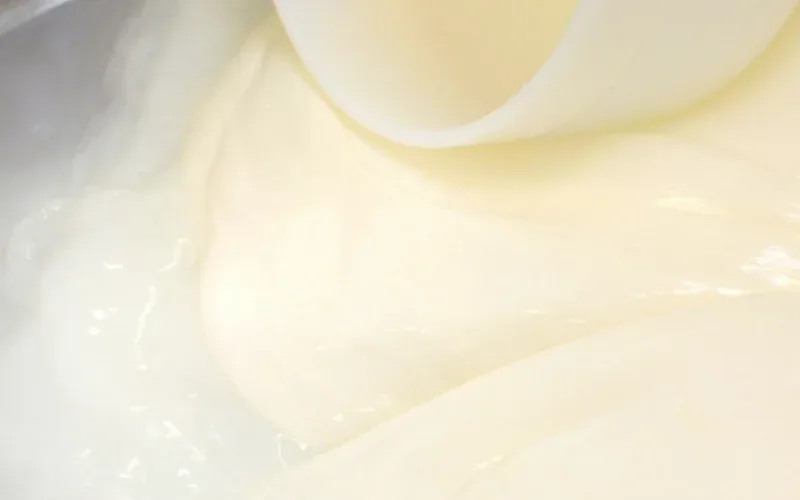
Culture & Incubation
Landing the mix at 108 to 113 F, holding it there for hours, and cooling the set product without breaking it.
+ Learn More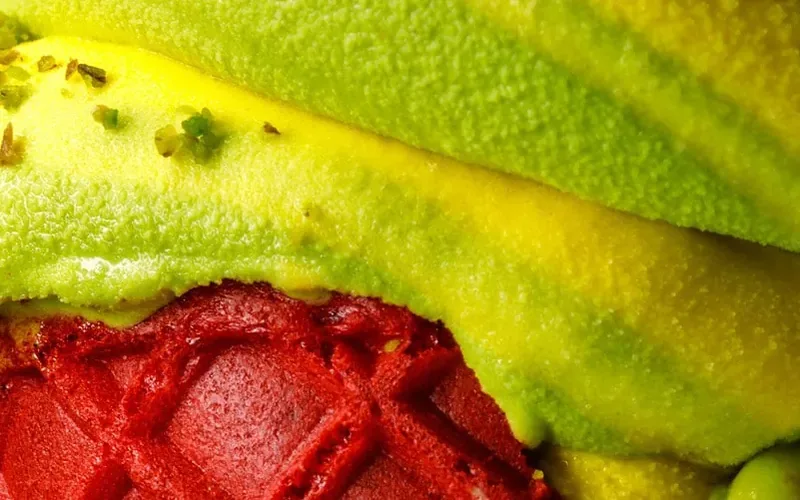
Applications
Ice Cream Mix
38 to 40 percent solids, pasteurized at 175 F for 25 seconds, homogenized hot and cooled to 40 F for aging.
+ Learn More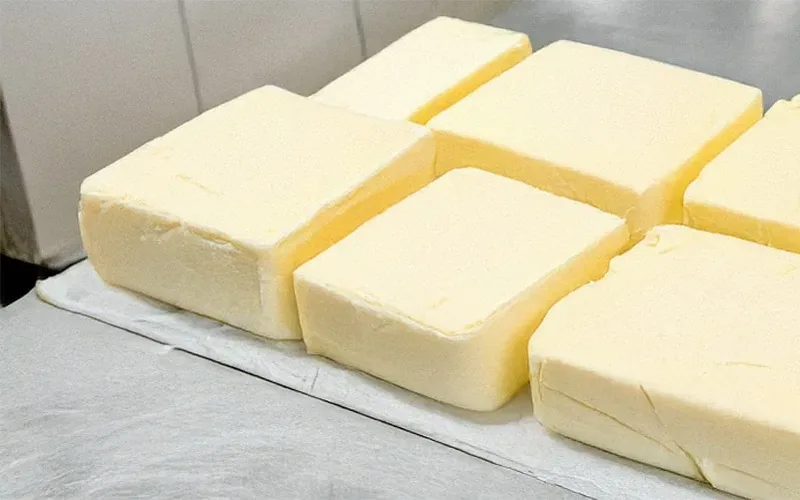
Applications
Butter & Milk Fat
Cream ripened and tempered for the churn, anhydrous milk fat heated and cooled without water, ghee cooked.
+ Learn More